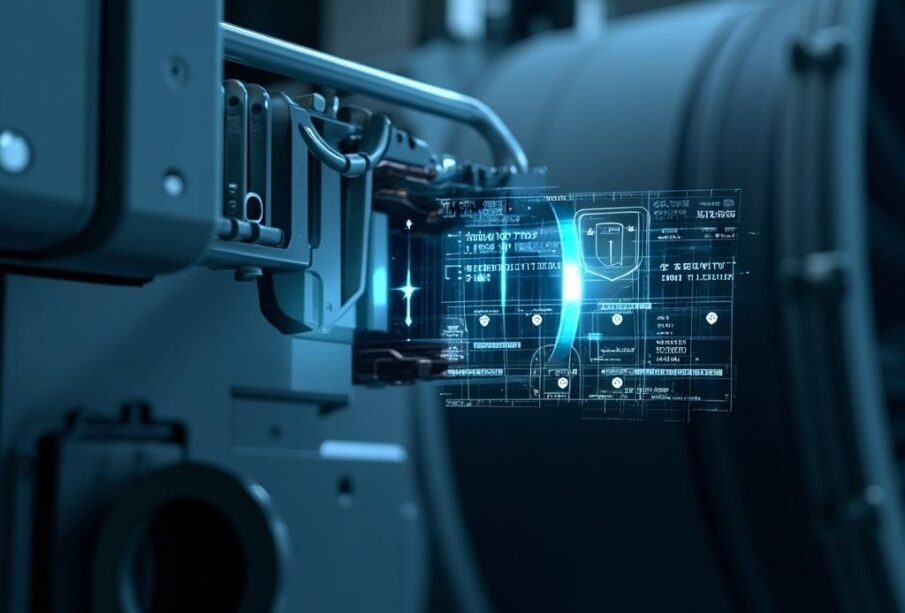
In today’s rapidly evolving industrial landscape, remote access software for secure industrial equipment support has become an essential component of modern manufacturing and production operations. As industries embrace digital transformation and Industry 4.0 principles, the ability to remotely monitor, diagnose, and maintain industrial equipment has shifted from a convenience to a critical operational necessity. Organizations across sectors including automotive manufacturing, energy production, food and beverage processing, and pharmaceutical development increasingly rely on robust remote access solutions to minimize equipment downtime, reduce maintenance costs, and ensure continuous production efficiency. This comprehensive guide explores the intricacies of implementing and utilizing secure remote access software specifically designed for industrial environments, examining key features, security considerations, implementation strategies, and best practices that enable organizations to achieve optimal equipment support while maintaining the highest standards of cybersecurity.
Understanding Remote Access Software in Industrial Environments
Remote access software for industrial equipment support encompasses a specialized category of technology solutions designed to enable authorized personnel to connect to, interact with, and manage industrial control systems, programmable logic controllers (PLCs), human-machine interfaces (HMIs), supervisory control and data acquisition (SCADA) systems, and other mission-critical equipment from remote locations. Unlike conventional remote desktop applications or general-purpose VPN solutions, industrial remote access software is engineered to meet the unique demands of manufacturing environments, including compatibility with legacy systems, support for specialized industrial protocols, and adherence to stringent safety and security standards mandated by various regulatory bodies.
The fundamental architecture of industrial remote access solutions typically involves three primary components: the remote client application installed on the technician’s workstation or mobile device, a secure gateway or server that facilitates the connection and enforces security policies, and the agent software deployed on the industrial equipment or control system. This three-tier architecture ensures that sensitive industrial networks remain isolated from public internet infrastructure while still enabling authorized remote operations. Modern implementations often incorporate cloud-based management platforms that provide centralized control, audit logging, and policy enforcement capabilities across geographically distributed industrial facilities.
Critical Security Features for Industrial Remote Access
Security represents the paramount concern when implementing remote access solutions for industrial equipment. The potential consequences of a security breach in an industrial setting extend far beyond data theft or financial losses—they can result in physical harm to personnel, environmental disasters, equipment destruction, and significant production outages that affect thousands of customers and stakeholders. Consequently, organizations must prioritize solutions that incorporate comprehensive security features designed specifically for the industrial threat landscape.
Authentication and Authorization Mechanisms
Robust authentication mechanisms form the foundation of secure industrial remote access. Multi-factor authentication (MFA) combines something the user knows (password), something they have (security token or mobile device), and optionally something they are (biometric verification) to verify user identity with high confidence. Role-based access control (RBAC) further enhances security by limiting each user’s capabilities based on their specific job responsibilities, ensuring that maintenance technicians, system administrators, and executive stakeholders each access only the systems and functions necessary for their roles.
Encryption and Network Security
End-to-end encryption ensures that all data transmitted between the remote client and industrial equipment remains confidential and tamper-proof throughout the communication session. Industry-standard protocols such as TLS 1.3 provide strong cryptographic protection, while dedicated industrial protocols often incorporate additional encryption layers tailored to the specific requirements of manufacturing environments. Network segmentation isolates industrial control systems from corporate IT networks and public internet infrastructure, implementing defense-in-depth strategies that limit the potential impact of any single security compromise.
⚠️ SECURITY WARNING
Never expose industrial control systems directly to the public internet. Always implement properly configured firewalls, intrusion detection systems, and secure remote access gateways. Unauthorized access to PLCs, HMIs, and SCADA systems can result in catastrophic equipment damage, safety incidents, and regulatory violations. Ensure all remote access sessions are logged, monitored, and subject to real-time anomaly detection.
Key Capabilities and Features Comparison
When evaluating remote access software solutions for industrial equipment support, organizations must carefully assess the capabilities and features that align with their specific operational requirements, infrastructure constraints, and long-term strategic objectives. The following comparison highlights essential features that differentiate enterprise-grade industrial remote access solutions from general-purpose alternatives.
| Feature Category |
Basic Solutions |
Enterprise Solutions |
Advanced Platforms |
| Protocol Support |
Standard RDP/VNC |
Modbus, OPC-UA, PROFINET |
Multi-protocol with auto-detection |
| Security Compliance |
Basic encryption |
IEC 62443 compliant |
NIST, ISO 27001, NERC CIP ready |
| Audit Capabilities |
Session recording |
Full audit trail with reports |
AI-powered anomaly detection |
| Integration Options |
Limited API access |
MES/ERP integration |
Full ecosystem connectivity |
| Scalability |
Single site |
Multi-site management |
Global enterprise deployment |
Benefits of Implementing Secure Remote Access Solutions
The strategic implementation of remote access software for industrial equipment support delivers substantial benefits across operational, financial, and strategic dimensions. Organizations that successfully deploy these solutions typically experience measurable improvements in equipment availability, maintenance efficiency, and overall operational excellence.
- Reduced Equipment Downtime: Remote diagnostic capabilities enable maintenance teams to identify and resolve equipment issues without requiring physical presence at the facility, reducing mean time to repair (MTTR) by up to 60% in many implementations.
- Optimized Maintenance Costs: Remote support eliminates the need for costly on-site service visits for initial diagnostics, enabling organizations to deploy specialized technicians only when physical intervention is truly required.
- Enhanced Expert Collaboration: Subject matter experts can provide guidance and oversight regardless of geographic location, democratizing access to specialized knowledge across distributed operations.
- Improved Safety and Compliance: Remote access reduces personnel exposure to hazardous industrial environments while maintaining comprehensive audit trails that demonstrate regulatory compliance.
- Accelerated Issue Resolution: Real-time remote visibility into equipment parameters and PLC logic enables faster root cause identification and more precise corrective actions.
- Extended Equipment Lifespan: Proactive remote monitoring and timely maintenance interventions help prevent catastrophic failures that could otherwise require premature equipment replacement.
Implementation Best Practices and Considerations
Successfully implementing remote access software for industrial equipment support requires careful planning, Stakeholder engagement, and attention to technical, organizational, and procedural considerations. Organizations should adopt a systematic approach that addresses all critical aspects of the deployment lifecycle.
Assessment and Planning Phase
Before selecting and deploying any remote access solution, organizations should conduct a comprehensive assessment of their current infrastructure, operational requirements, and security posture. This evaluation should inventory all industrial equipment requiring remote access capability, document existing network architecture and connectivity patterns, identify regulatory compliance requirements applicable to the organization, and define specific use cases and access scenarios that the solution must support.
Network Architecture and Segmentation
Proper network architecture forms the cornerstone of secure industrial remote access. Organizations should implement the principle of network segmentation to isolate industrial control systems from enterprise IT networks and external connectivity. Demilitarized zones (DMZs) provide an additional layer of protection by housing remote access gateway servers in a controlled network zone that mediates all traffic between external users and internal industrial systems. Industrial firewalls and intrusion detection systems should monitor all remote access sessions for suspicious activity and enforce security policies consistently.
User Training and Procedural Controls
Technology alone cannot ensure secure remote access operations. Organizations must invest in comprehensive training programs that educate personnel on security best practices, proper remote access procedures, and incident response protocols. Clear policies should define who may request remote access, under what circumstances access will be granted, how long sessions may remain active, and what documentation must accompany each remote support engagement. Regular security awareness training helps maintain a culture of security consciousness among all personnel involved in remote access operations.
Industry-Specific Applications and Use Cases
Remote access software for industrial equipment support serves diverse applications across multiple industry sectors. Each sector presents unique challenges and requirements that influence solution selection, implementation approach, and operational procedures.
- Energy and Utilities: Remote access enables monitoring and control of distributed infrastructure including power generation facilities, substations, water treatment plants, and pipeline systems spread across vast geographic areas.
-
Post Views: 41