
Complete Guide to Lockout Tagout Procedures for Automated Production Equipment
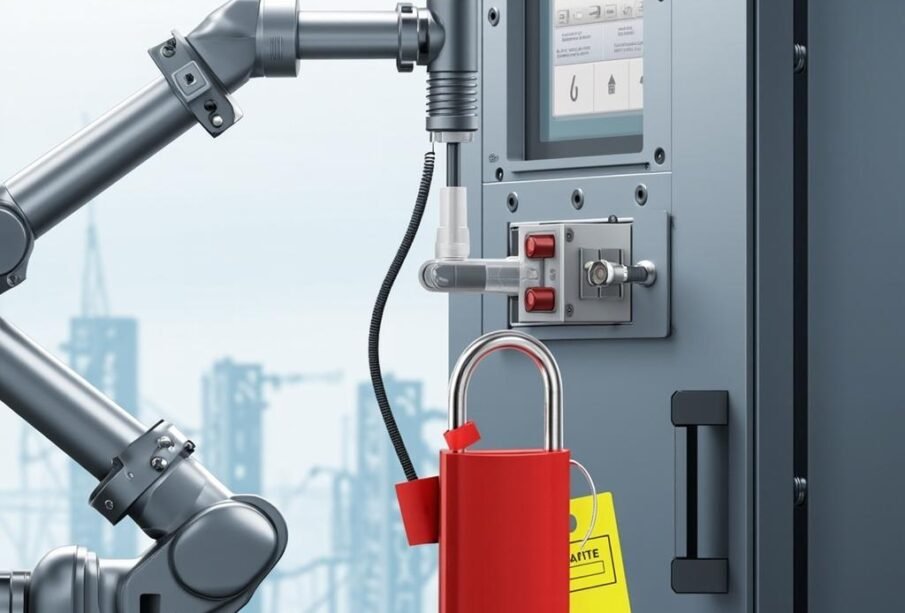
In today’s highly automated manufacturing environments, the safety of personnel working alongside sophisticated production equipment has become a critical priority for organizations worldwide. Lockout Tagout (LOTO) procedures represent one of the most essential safety protocols for protecting workers from unexpected energization, startup of machinery, or release of stored energy during maintenance, servicing, and inspection activities. When properly implemented, these procedures prevent devastating accidents including electrocution, crush injuries, amputations, and fatalities that occur when machines unexpectedly start or release hazardous energy. This comprehensive guide provides detailed information about establishing, implementing, and maintaining effective lockout tagout procedures specifically designed for automated production equipment, helping safety professionals and operations managers create safer workplaces while maintaining regulatory compliance and operational efficiency.
Understanding Lockout Tagout: Definitions and Core Principles
Lockout Tagout refers to a systematic safety procedure that ensures hazardous energy sources are properly isolated and controlled before maintenance or servicing work begins on equipment. According to the Occupational Safety and Health Administration (OSHA), the Control of Hazardous Energy standard (29 CFR 1910.147) requires employers to establish programs that include energy control procedures, training, periodic inspections, and the use of lockout devices for authorized employees. In automated production environments, this becomes particularly complex due to the intricate energy systems, pneumatic/hydraulic systems, electrical controls, robotic components, and interconnected machinery that characterize modern facilities.
Key Components of an Effective LOTO Program
An effective lockout tagout program for automated production equipment encompasses several essential components that work together to create comprehensive protection for maintenance personnel and equipment operators alike.
- Written energy control procedures: Detailed, equipment-specific procedures documenting all energy sources and isolation points
- Employee training programs: Ongoing education for authorized, affected, and other employees on LOTO requirements
- Periodic inspections: Regular reviews of procedures to ensure continued compliance and effectiveness
- Proper equipment: Locks, tags, and isolation devices designed for specific applications
- Documentation: Records of training, inspections, and procedural updates
Types of Hazardous Energy in Automated Production Equipment
Automated production equipment presents numerous types of hazardous energy that must be identified and controlled during lockout tagout procedures. Understanding these energy sources is fundamental to developing comprehensive isolation strategies that protect workers from all potential hazards.
Primary Energy Sources Requiring Control
| Energy Type | Common Sources in Automated Equipment | Control Methods |
|---|---|---|
| Electrical Energy | Control panels, motors, drives, sensors, PLCs, power supplies | Circuit breakers, disconnect switches, verify zero energy state |
| Pneumatic Energy | Air compressors, cylinders, valves, pressure lines | Shutoff valves, relieve residual pressure, bleed lines |
| Hydraulic Energy | Hydraulic power units, cylinders, accumulators, pumps | Shutoff valves, release accumulator pressure, drain systems |
| Mechanical Energy | Rotating shafts, flywheels, springs, counterweights, gravity | Brakes, chocks, blocking, secure elevated components |
| Thermal Energy | Heating elements, molten materials, furnaces, hot surfaces | Cool to safe temperature, isolate heating sources |
| Chemical Energy | Pressurized containers, process materials, reactive substances | Purge, vent, isolate chemical supply lines |
⚠️ CRITICAL WARNING: In automated production environments, stored energy poses a significant hazard that is often underestimated. Hydraulic accumulators, pneumatic reservoirs, charged springs, elevated components under gravity, and capacitor discharges can remain dangerous even after primary energy sources are isolated. Always verify complete energy dissipation before beginning work, and implement additional verification measures such as pressure gauges and voltage testers.
Step-by-Step Lockout Tagout Procedures for Automated Equipment
Implementing proper lockout tagout procedures for automated production equipment requires a systematic approach that addresses preparation, isolation, lockout application, verification, and release phases. The following detailed steps provide a framework for establishing comprehensive LOTO protocols in your facility.
Phase 1: Preparation and Notification
- Identify the work to be performed and determine which equipment requires lockout tagout
- Review the equipment-specific LOTO procedure for the machinery involved
- Notify affected employees that lockout tagout will be performed and explain the scope and expected duration
- Gather required lockout devices including personal locks, tags, and any equipment-specific isolation tools
- Identify all energy sources that must be controlled, including primary and stored energy
Phase 2: Equipment Shutdown and Isolation
- Complete normal operating procedures to bring the equipment to a safe stop
- Operate the equipment shutdown controls according to manufacturer specifications and established procedures
- Isolate all energy sources by operating disconnect switches, closing valves, or activating isolation mechanisms
- Release or restrain stored energy including bleeding pneumatic lines, releasing hydraulic pressure, and allowing capacitors to discharge
- Apply lockout devices to each isolation point, ensuring locks cannot be removed without the key
Phase 3: Verification and Work Performance
- Verify zero energy state by attempting to start the equipment using normal operating controls
- Test for voltage using appropriate electrical testing equipment on conductors and components
- Verify pressure release on pneumatic and hydraulic systems using gauges
- Confirm all energy sources are controlled before beginning maintenance work
- Perform the required maintenance, service, or inspection activities
Phase 4: Lockout Removal and Equipment Restoration
- Inspect the work area to ensure all tools, materials, and personnel are clear of the equipment
- Verify that safety guards and protective devices are properly reinstalled
- Notify affected employees that lockout tagout is being removed
- Remove lockout devices – each authorized employee removes their own personal lock
- Restore energy sources in a controlled manner and test equipment operation
Roles and Responsibilities in LOTO Programs
Clear understanding of individual responsibilities is essential for effective lockout tagout implementation. Different personnel categories have specific obligations that together create a comprehensive safety framework protecting everyone in the workplace.